
TV commercials & video advertising · Melbourne
TV Commercial Production Melbourne
Commercials built to survive the media buy that carries them. One shoot, every length you have booked, delivered to the spec the networks and cinemas actually require.
- Broadcast, cinema, BVOD, YouTube and paid social cuts from a single production
- Our own Essendon North studio, so a pickup or a new end tag is not a new location budget
- Producing for Melbourne advertisers since 2007, including national retail and consumer brands
Advertisers We Produce For








The media buy is usually bigger than the production budget.
By the time a commercial is being made, airtime has been booked and the money is committed. That changes what production is for: the job is to protect the buy, hit the delivery specification exactly, and never be the reason a spot fails to run.
So we work backwards from what has been booked — the lengths, the stations or platforms, the delivery spec and the deadline — and build the shoot around producing every version from one day, rather than discovering a missing cutdown the week it airs.
We Protect the Media Buy
On a commercial, production is usually the smaller number. The airtime behind it is the larger one, and a weak thirty seconds does not fail quietly, it fails at the cost of every placement you paid for. We work back from the buy, not from the camera.
Every Length, From One Shoot
Sixties, thirties, fifteens, a vertical cut, a silent subtitled version and the offer variants you will need next quarter. Planned together they are one production day. Commissioned separately they are four projects and four invoices.
Delivered to Spec, Not to Taste
A commercial is not finished when the edit is approved. Exact durations, title-safe framing, broadcast loudness, clearance-ready claims and separate cinema masters are all part of the job, and all of them are cheaper to plan than to fix.
Named Advertising Work
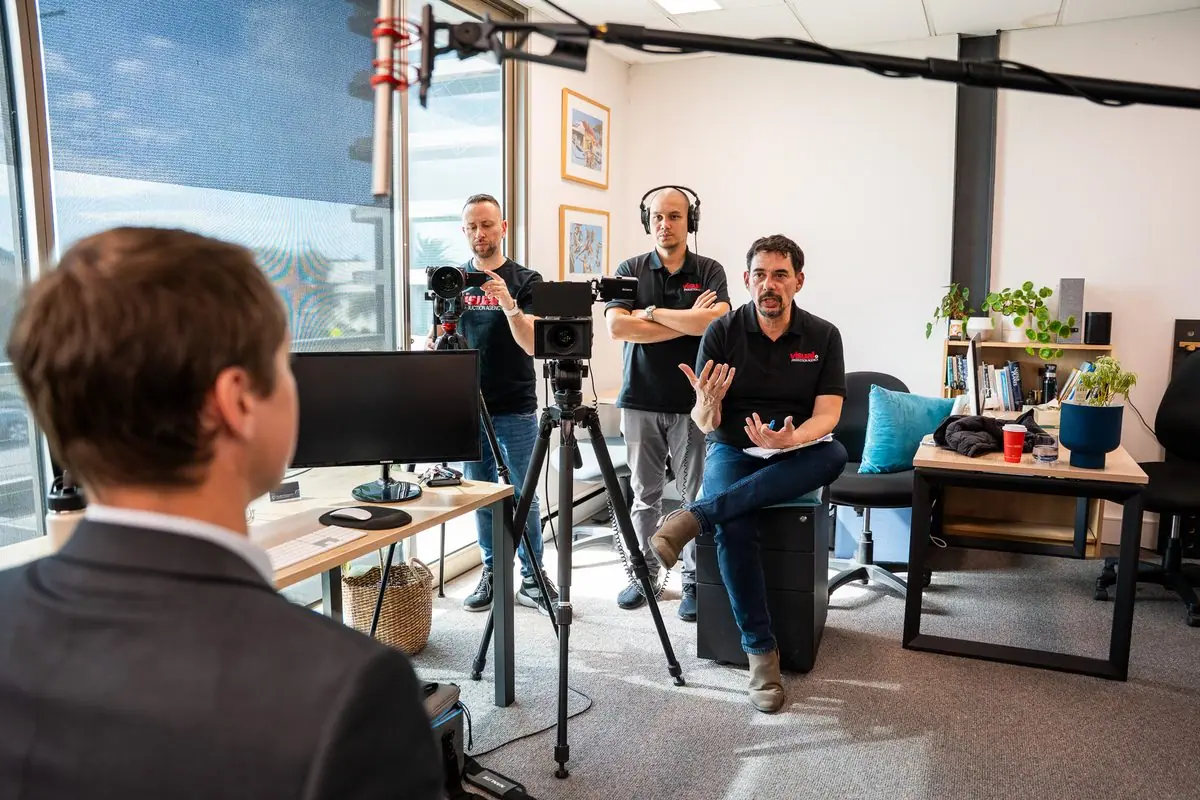
ActiveCampaign
They needed
One customer story that had to work as a keynote film, as an ad and as a set of social clips.
We created
A story filmed in Sorrento and cut several ways, including ad-ready versions built to run across paid campaigns and a launch keynote.
Read the ActiveCampaign case study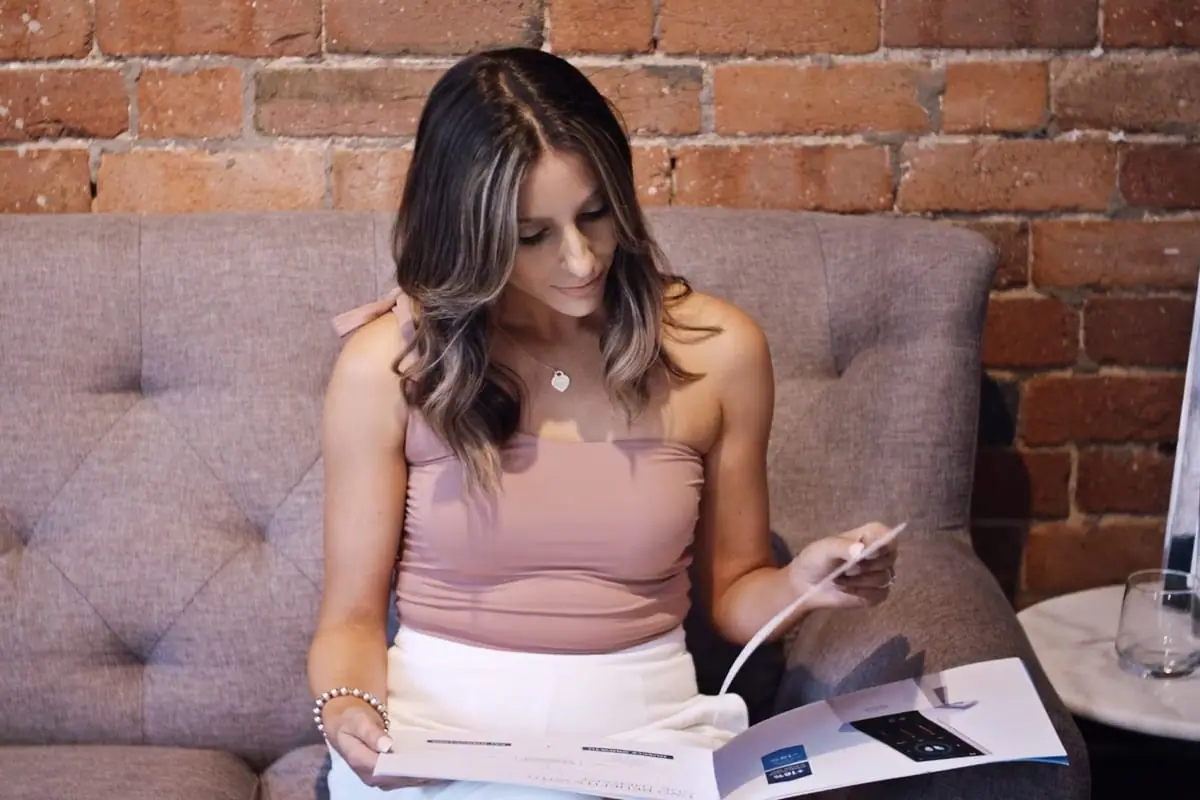
The Derm Lab
They needed
A different treatment, and a different presenter, in every piece — produced as an ongoing series rather than one-offs.
We created
An ongoing series of marketing videos, each shot with different talent to represent a different treatment.
Read the Derm Lab case study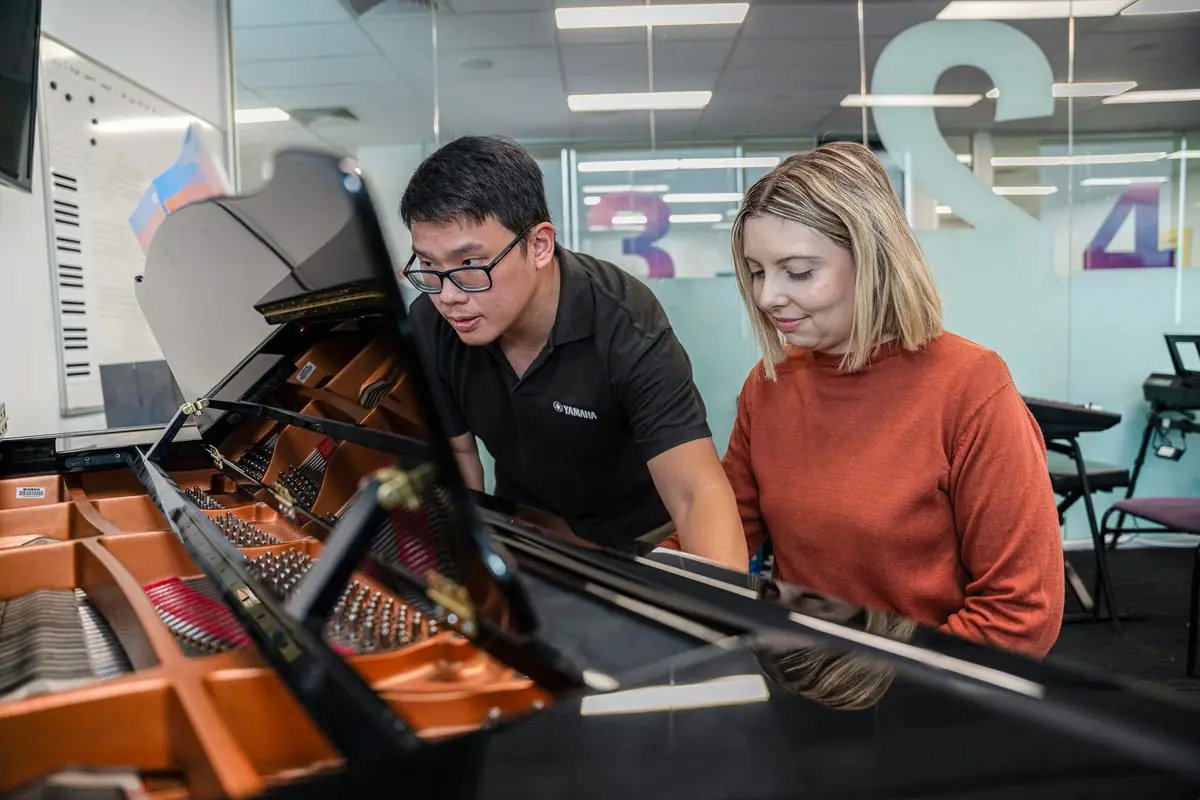
Yamaha Music School
They needed
Evergreen material the school could reuse across enrolment campaigns instead of reshooting every year.
We created
A video and photography suite filmed inside live classes, produced to stay usable across campaigns.
Read the Yamaha Music School case study
Recent Commercials and Cinema Ads
DPV Cinema Ad
ELTHAM College - Cinema Ad
Luxury Escapes TV Advert
Homefirst Ad (30s)
Gutter Protector Long Ad
Brimbank Aquatic and Wellness Centre - Cinema Ad
You don’t need to come to us with everything figured out.
Most clients start with an objective, an audience and a rough idea of what they need to communicate. That’s enough to begin.
We help shape the approach, then manage the scripting, production, filming, editing and review process. You’ll know what’s happening, what we need from your team and what comes next.
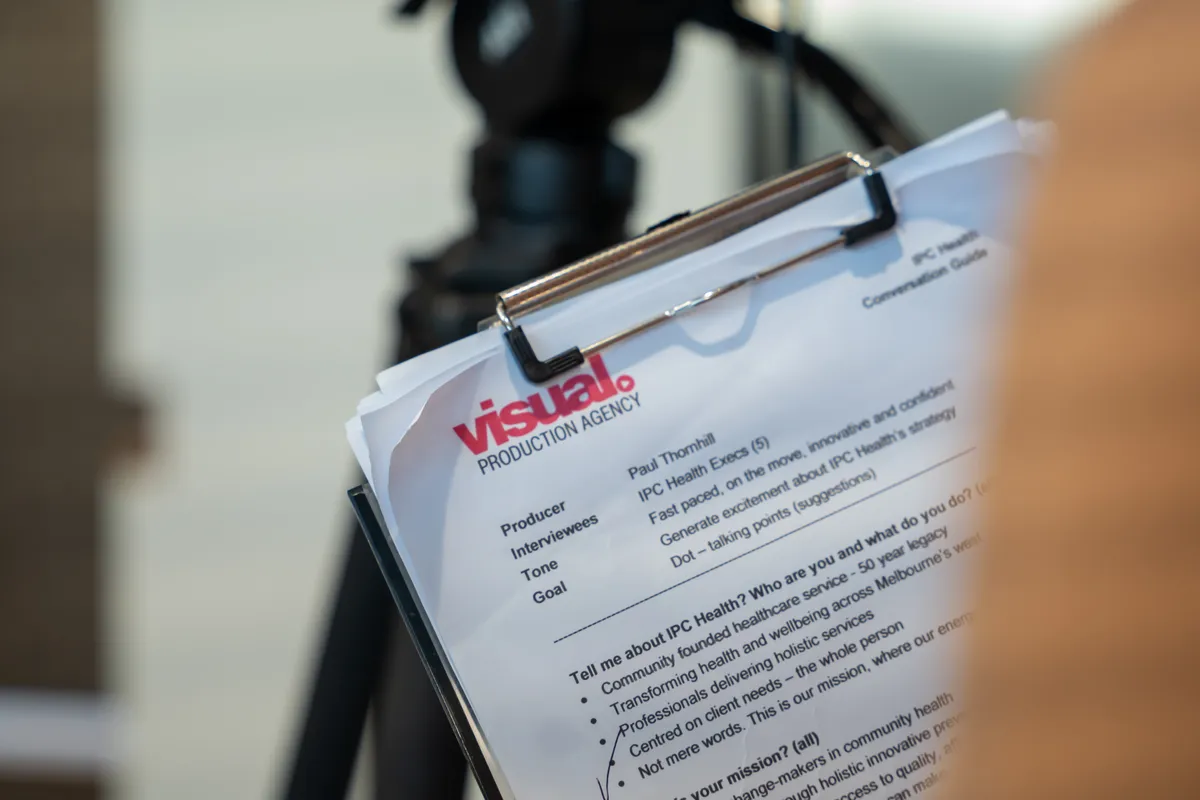
Before filming
We agree on the objective, audience, stakeholders, script or talking points, shot plan and schedule.
On the day
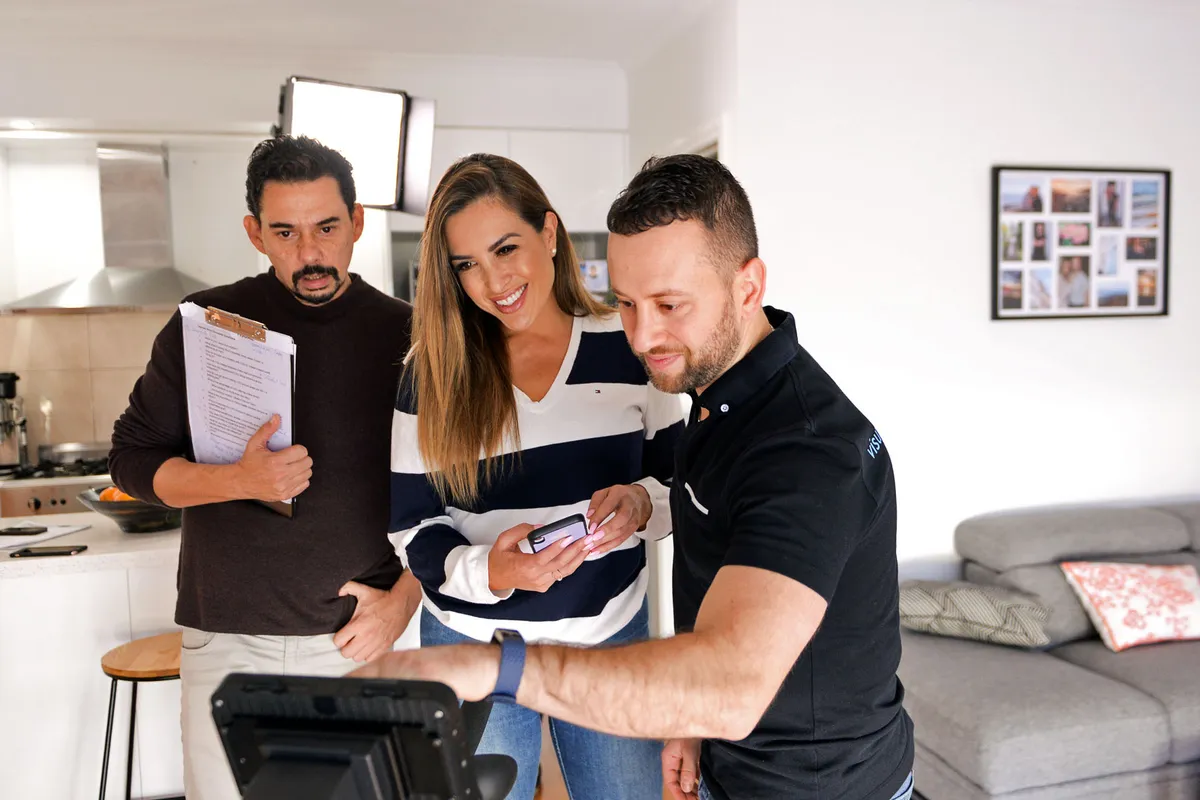
A producer/director runs the session, supports presenters and keeps the shoot moving.
After filming
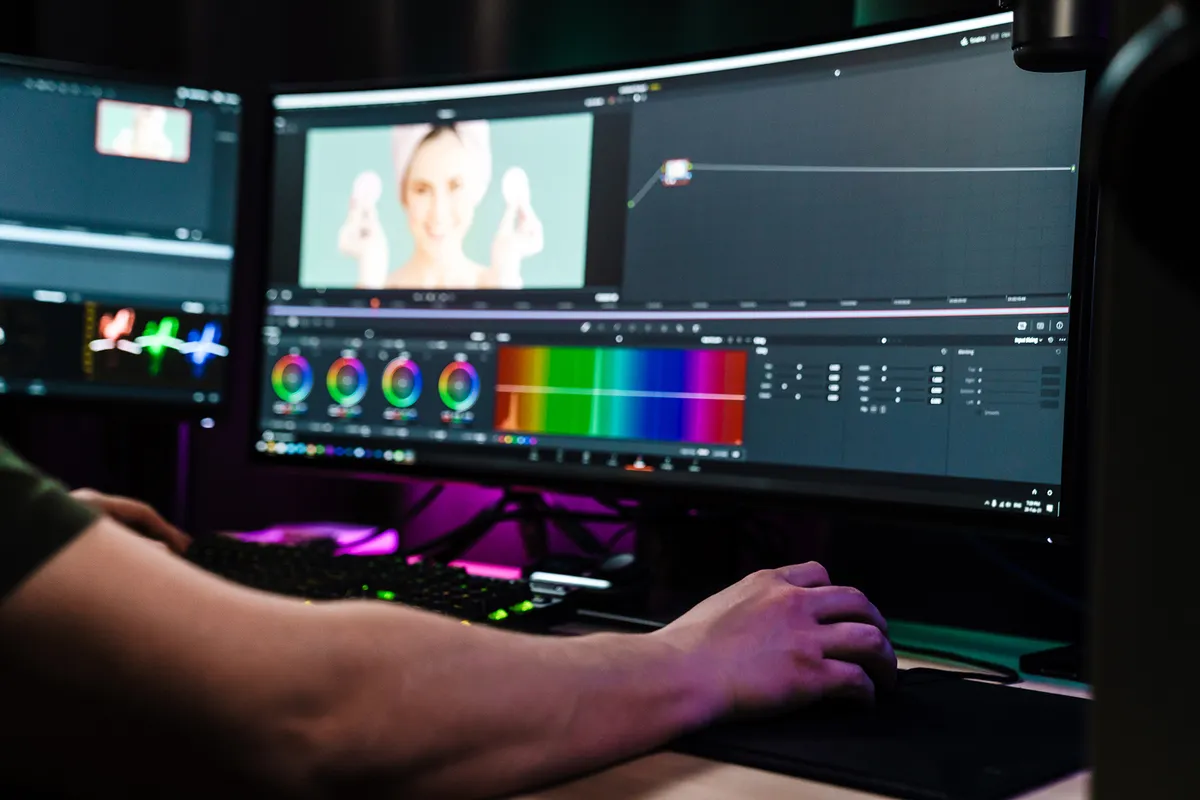
We edit in-house, manage feedback clearly and deliver the final video in the formats you need.
TV Commercial Production That Earns Its Airtime
A television commercial is the only kind of video where production is normally the cheaper half of the decision. The airtime behind it costs more, often several times more, and that changes what the production has to be good at. The question is not whether the film looks expensive. It is whether every placement you have bought will do some work when it plays. That is a very different standard from the one most video is judged against, because a corporate film that underperforms simply gets watched less, while a commercial that underperforms keeps costing you money on a schedule you have already committed to.
Learn MoreShow less
That puts almost all of the pressure on the idea and the script. Thirty seconds is room for one thought, one reason to care and one thing to do next. The commercials that fail are usually the ones that tried to carry three messages because three people in the approval chain each had one, and the result says nothing clearly enough for a viewer who was not paying attention to begin with. Deciding what to leave out is the hardest and most valuable part of the job, and it is the part that a rate card cannot buy you. It is also the reason we insist on a signed-off script before a crew is booked rather than after, because a commercial that is still being argued about on the shoot day has already lost the compression that makes it work.
So we start on the page and with the media plan, not with a shot list. What has been booked, in what lengths, in which dayparts, alongside which other advertisers. A commercial written for a fifteen-second slot is a different film from a sixty, and a spot that will mostly play in the break of a live sport broadcast is a different film again from one running in daytime. That planning also decides how the ad opens, which is the part most briefs leave to chance. Television is watched at a distance, usually by someone doing something else, so the first two seconds decide whether the rest of the money does any work at all. Knowing all of this before anyone books a crew is what stops you paying for footage the buy cannot use.
Video Advertising Across Every Channel You Buy
Almost nobody buys television on its own any more. The same campaign runs on free-to-air, on broadcaster video on demand through 7plus, 9Now and 10 Play, as pre-roll on YouTube, in-feed on Meta, and in some cases on cinema screens as well. Each of those placements wants a different length, a different aspect ratio and a different first three seconds, and every one of them is a chance to lose the audience you have already paid to reach. This is the part of the brief that most production companies treat as an afterthought and most advertisers only notice when the media schedule lands and half the assets do not fit it.
Learn MoreShow less
We plan the shoot against the whole buy from the outset. That means framing that still composes when it is cropped to nine by sixteen, sequences that hold at fifteen seconds as well as sixty, an opening that works when it is skippable, and a version that reads with the sound off and the subtitles on, because that is how most of the social audience will see it. None of this costs anything on the day. Retrofitting it afterwards means recropping every shot and losing the composition you paid a crew to light.
It also matters for what comes next. Retail and service advertisers change the offer, the dates and the end tag far more often than they change the campaign, and a commercial built as a single locked file has to be part-reshot every time one of those moves. We plan the versioning in from the beginning: the end frame is built as its own element, supers are kept editable, and the master is assembled so a new tag, a new date range or a new offer is an edit rather than another production. Over a year of campaign periods that is usually the difference between one production budget and four.
Built for Broadcast and Cinema Delivery
A commercial is not finished when the client approves the edit. Australian free-to-air commercials have to be cleared through Free TV Australia’s Commercials Advice process before a network will schedule them, and that clearance is about what the advertisement claims at least as much as how it looks. Comparative claims, superiority claims, anything about health or finance, and the fine print that qualifies an offer all have to hold up. Settling a claim at script stage costs an email. Settling it after the shoot can cost the shoot, and settling it after the schedule is booked can cost the flight dates as well.
Learn MoreShow less
The technical side is unforgiving in a way that web video simply is not. Durations have to be exact to the frame rather than approximately right. Supers and logos have to sit inside the title-safe area or they will be clipped on air. Audio has to be normalised to the loudness practice Australian networks work to, which is why a commercial mastered by ear can pass a client review and still be rejected by a broadcaster. We deliver the broadcast master to spec and the web and social versions separately, because they are genuinely different files and treating them as one is a common and expensive assumption.
Cinema is different again. It needs its own master, it is graded for a projected image rather than a backlit screen, and it plays to an audience sitting in the dark who cannot look away, which changes what is worth putting on screen and how long you can hold a shot. Detail that is invisible on a television at four metres is unmissable on a cinema screen, in both directions: a beautifully lit product reads far better, and a sloppy composite reads far worse. We have produced cinema commercials alongside broadcast spots, including the cinema advertisement for Brimbank Aquatic and Wellness Centre in the reel below.
Melbourne Commercials, Made in Our Own Studio
Our studio in Essendon North is ours, not hired, and on advertising work that is worth more than it sounds. Campaign schedules move constantly. A talent booking falls through, a launch date shifts, a product arrives late, legal changes one line of a super the week before it airs. When the space belongs to us, a half-day pickup is a half day, not a new location fee, a minimum hire and a fortnight of availability calls. It is also why we can take on a commercial with a short lead time when the media has already been booked, which is the situation advertisers most often find themselves in and the one most producers quietly decline.
Learn MoreShow less
It also gives you a controlled environment you can come back to. Product shots, presenter pieces and end tags filmed in the same room under the same lighting will cut together with material shot months earlier, which is exactly what a retail advertiser running four campaign periods a year needs and exactly what borrowed locations cannot give you. For work that has to happen elsewhere, we film on location across Melbourne and nationally.
The rest of the advantage is simply being here. You can brief us in person, your stakeholders can sit in on the shoot without a flight, and the edit review happens the same day in the same time zone. We have been producing commercials, cinema advertisements and campaign video in Melbourne since 2007, with strategy, script, crew, studio, edit and motion graphics all under one roof rather than subcontracted across four suppliers who have never met.
You don’t need to understand video production to commission a good video.
Start With the Buy
We establish what has been booked or is being considered: the channels, the lengths, the flight dates and the audience. The commercial is written to fit the media plan rather than the other way around.
Concept, Script and Sign-Off
You approve a concept, a script and a shot plan that already accounts for every length and placement, with any claim that needs clearing settled while changes still cost nothing.
Shoot, Edit and Master
We film in our studio or on location, edit in-house, and deliver broadcast, cinema, online and social masters to their own specifications rather than one file that everyone then has to adapt.
Let’s Scope Your Commercial
You don’t need a script or a storyboard. Tell us what you are advertising, where it is running and what has been booked. Our lead producer will come back with an approach, an indicative range and a timeline before you commit to anything.
Questions We Get Asked
What does a TV commercial production company actually do?
A TV commercial production company takes an advertisement from idea to a broadcast-ready master. That means concept and script, casting and location or studio, the shoot itself, edit, grade, sound mix and motion graphics, then delivery in the exact durations and technical specifications a network will accept. The part that separates one from another is what happens before filming: working out the single idea that a thirty-second slot can actually carry.
What is the difference between a video advertising agency and a production company?
An advertising agency decides what the campaign should say and where it should run. A production company makes the film. We work at the join between the two, which is where most advertising money is lost. We will develop the concept and script if you do not have an agency, and if you do, we produce to their creative and make sure what we deliver fits the media plan they have bought rather than arriving as a single file that then has to be adapted.
How much does it cost to produce a TV commercial in Melbourne?
The cost of a commercial is driven by five things: how many shoot days it needs, whether it films in a studio or on location, whether it requires professional talent, whether it needs animation or motion graphics, and how many finished lengths and versions you need at the end. A studio-based spot with one presenter and a straightforward edit sits at one end of that scale, and a multi-location shoot with cast, a director of photography and a full set of channel versions sits well above it. We quote against a defined brief rather than a rate card, so tell us what you are planning and we will come back with an indicative range.
How long does it take to produce a TV commercial?
As a general guide, around two to four weeks from an approved script, through the revision rounds to the delivered master. We give that as indicative rather than a commitment. A campaign with talent, multiple locations and a full set of channel versions needs longer, and so does anything that has to go through clearance before it can air. The variable that moves it most is not filming or editing, it is the approval cycle on the concept and script, so the earlier every approver and anyone who has to clear a claim is involved, the faster the whole project runs.
Do you handle broadcast clearance and delivery to the networks?
Australian free-to-air commercials have to be cleared through Free TV Australia’s Commercials Advice process before a network will schedule them, and clearance turns on what the advertisement claims as well as how it is made. Our part is to build the commercial so it passes: claims settled at script stage, supers inside the title-safe area, exact durations, and audio normalised to the loudness practice the networks work to. We deliver the broadcast master to specification, and we work alongside whoever is placing your media on the submission itself.
Can one shoot produce the TV commercial, the YouTube cut and the social versions?
Yes, and it is the single largest saving available on a campaign. We plan the shot list against every placement from the start: framing that still composes when it is cropped to vertical, sequences that hold at fifteen seconds as well as sixty, an opening built for a skippable pre-roll, and a version that reads with the sound off and subtitles on. Deciding this before the shoot costs nothing. Doing it afterwards means recropping every shot and losing the composition you paid for.
What lengths should we produce?
Buy the lengths first and produce to them. Thirty seconds is the standard Australian television unit and is enough for one idea told properly. Fifteens work when the brand is already known and the ad only has to remind and direct. Sixties are worth it when the story genuinely needs the room, which is less often than most briefs assume. Online and social usually want shorter still. We shoot once and cut to the set you have actually booked rather than making a sixty and trimming it down, which is how commercials end up feeling rushed.
Do you produce cinema advertisements as well as television commercials?
Yes. Cinema needs its own master, its own grade and its own sound treatment, because it is projected rather than backlit and it plays to an audience that is sitting in the dark and cannot scroll past it. That combination rewards patience and craft in a way that broadcast rarely does. Our cinema work includes the advertisement for Brimbank Aquatic and Wellness Centre, which sits in the reel on this page.
Do you write the concept, or do we need to supply one?
We write it. Concept and script are where a commercial is won or lost, so they are part of every project rather than an optional extra. You brief us on the product, the audience and the buy, and we come back with a concept, a script and a shot plan. Nothing is filmed until you have approved all three. Where you already have an agency holding the creative, we produce to their idea instead and say so plainly.
Do you produce commercials for advertisers outside Melbourne?
Yes. We produce nationally from our Melbourne base and plan interstate shoots to minimise travel days, which is normally the largest avoidable cost on a non-local production. One thing worth being clear about: we do not buy media ourselves, so what we deliver is built to fit the plan your own team or your media agency is running, in the formats and durations that plan calls for.